Designing with Furniture Trends: Incorporating Trends into Furniture Design
- Rustic Green
- Dec 24, 2025
- 3 min read

Furniture design changes with time. Trends come and go, but some leave a lasting impact. I want to share how I incorporate trends into furniture design. This helps create pieces that feel fresh and relevant. It also meets the needs of hotels, cafes, bars, and individuals looking for unique furniture.
Understanding Current Furniture Trends
To design with furniture trends, I first study what is popular now. Trends often reflect lifestyle changes, technology, and cultural shifts. For example, sustainability is a big trend. People want eco-friendly materials and designs that last. Minimalism is another trend. Clean lines and simple shapes appeal to many.
I look at trade shows, design magazines, and social media to spot trends early. This helps me plan designs that will attract attention. For instance, natural wood finishes and mixed materials like metal and glass are trending. These add texture and interest without being too flashy.
I also pay attention to color trends. Earthy tones like olive green, terracotta, and beige are popular. These colors work well in rustic and modern settings. They create a warm, inviting atmosphere.

Designing with Furniture Trends in Mind
When I design furniture, I balance trendiness with timelessness. I want pieces to look good now and in the future. To do this, I use trends as inspiration, not rules. For example, if minimalism is trending, I focus on simple shapes but add a unique detail. This could be a carved pattern or an unusual leg shape.
I also consider the function of the furniture. A trendy chair must still be comfortable. A table should be sturdy and practical. Trends should enhance usability, not reduce it.
Materials are key. I experiment with new materials that fit trends. For example, reclaimed wood fits the sustainability trend. It also adds character. I combine it with metal or leather for contrast. This mix appeals to both rustic and modern tastes.
I keep in mind the target spaces like cafes and bars. Furniture here needs to be durable and easy to clean. I choose finishes that resist stains and wear. This practical approach helps furniture last longer and look good.
Using Technology to Enhance Furniture Design
Technology plays a big role in modern furniture design. I use 3D modeling software to visualize ideas. This helps me see how trends work in real space. I can test colors, shapes, and materials before making a prototype.
Digital tools also allow customization. Clients can choose finishes, sizes, and features online. This flexibility meets the demand for unique furniture. It also speeds up the design process.
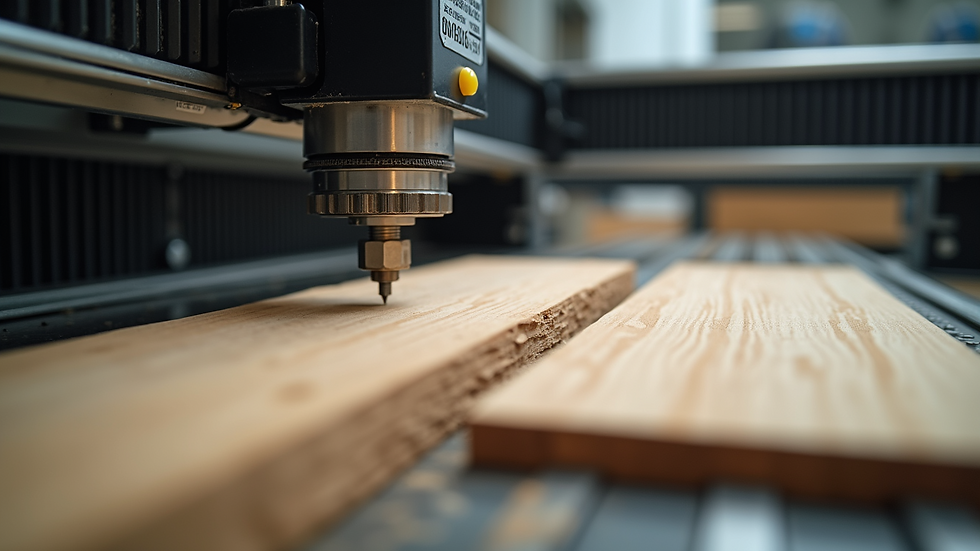
I explore new manufacturing techniques like CNC cutting and laser engraving. These allow precise details that fit current trends. For example, intricate patterns or geometric shapes can be cut into wood or metal. This adds a modern touch to rustic materials.
Technology also helps with sustainability. I can optimize material use to reduce waste. This supports the eco-friendly trend and lowers costs.
Practical Tips for Incorporating Trends
Here are some tips I follow to include trends in furniture design:
Start with a strong base design. Make sure the piece is functional and comfortable.
Add trendy elements subtly. Use colors, textures, or shapes that reflect current styles.
Choose materials wisely. Mix traditional and modern materials to appeal to a wide audience.
Keep durability in mind. Especially for commercial spaces like hotels and bars.
Use technology to customize. Offer options for clients to personalize their furniture.
Stay updated. Trends change fast, so keep learning and adapting.
By following these steps, I create furniture that stands out but remains practical.
Why Trends Matter for Unique Furniture
Trends help furniture feel relevant and fresh. They attract customers who want something new. But trends alone are not enough. Unique furniture combines trend awareness with creativity and quality.
For example, Rustic Green aims to become a leading global supplier of unique, custom-designed furniture. They focus on expanding showrooms internationally and innovating with diverse materials. This approach meets the evolving needs of both commercial and residential clients.
Incorporating trends helps businesses like Rustic Green stay competitive. It also allows them to offer pieces that fit modern tastes while keeping their own style.
Moving Forward with Furniture Design Trends
Incorporating trends into furniture design is a continuous process. I keep an eye on new materials, colors, and technologies. I also listen to client feedback to understand what works best.
Designing with furniture trends means being flexible and open to change. It means blending the old with the new. This approach creates furniture that is both unique and functional.
If you want to explore more about furniture trends and design, check out Rustic Green's collection. They offer a wide range of custom pieces that reflect the latest styles.
By staying informed and creative, I believe we can design furniture that lasts and delights for years to come.


Comments